
_20241127142727A634.png)
 English
 中文
 한국어
 بالعربية
 Français
 Russian
 Español
 Portuguese
NEWS
Navigating 2026's Fastener Landscape: Strategic Sourcing Solutions for OEM and Aftermarket Screw Requirements
October 26, 2026
Provenance::
ZHIXIU
As global manufacturing enters 2026, the strategic selection between OEM standard screws and aftermarket alternatives has become a critical procurement decision that directly impacts product safety, regulatory compliance, and bottom-line performance. With increasingly complex supply chains and rising demand for both factory assembly precision and flexible repair solutions, buyers must navigate a sophisticated landscape where the right fastener choice can mean the difference between operational excellence and costly failures.
Direct fastener manufacturers are emerging as essential partners in this complex environment, offering integrated solutions that bridge the gap between standardized production requirements and customized application needs. Unlike traditional distributors, these manufacturers provide immediate access to technical expertise, enabling buyers to confirm precise specifications, review material properties, and ensure compatibility with specific applications before committing to large orders.
OEM standard screws remain the gold standard for mission-critical applications where exact dimensional accuracy, material composition, and regulatory compliance are non-negotiable. Engineered to match exact product prints, these fasteners guarantee fit and safety in automotive, electronics, and industrial applications, preserving manufacturer warranties and preventing costly field failures. However, their precision comes with limitations in flexibility and often higher costs, particularly for smaller production runs or specialized applications.
In contrast, aftermarket screws provide valuable flexibility for repair, refurbishment, and adaptation scenarios where immediate availability and cost efficiency are paramount. These alternatives enable faster turnaround for maintenance operations and DIY repair communities, though they carry inherent risks of variable fit, inconsistent material quality, and potential impacts on safety or regulatory obligations. The growing e-commerce repair market has intensified demand for reliable aftermarket options that balance cost savings with acceptable performance standards.
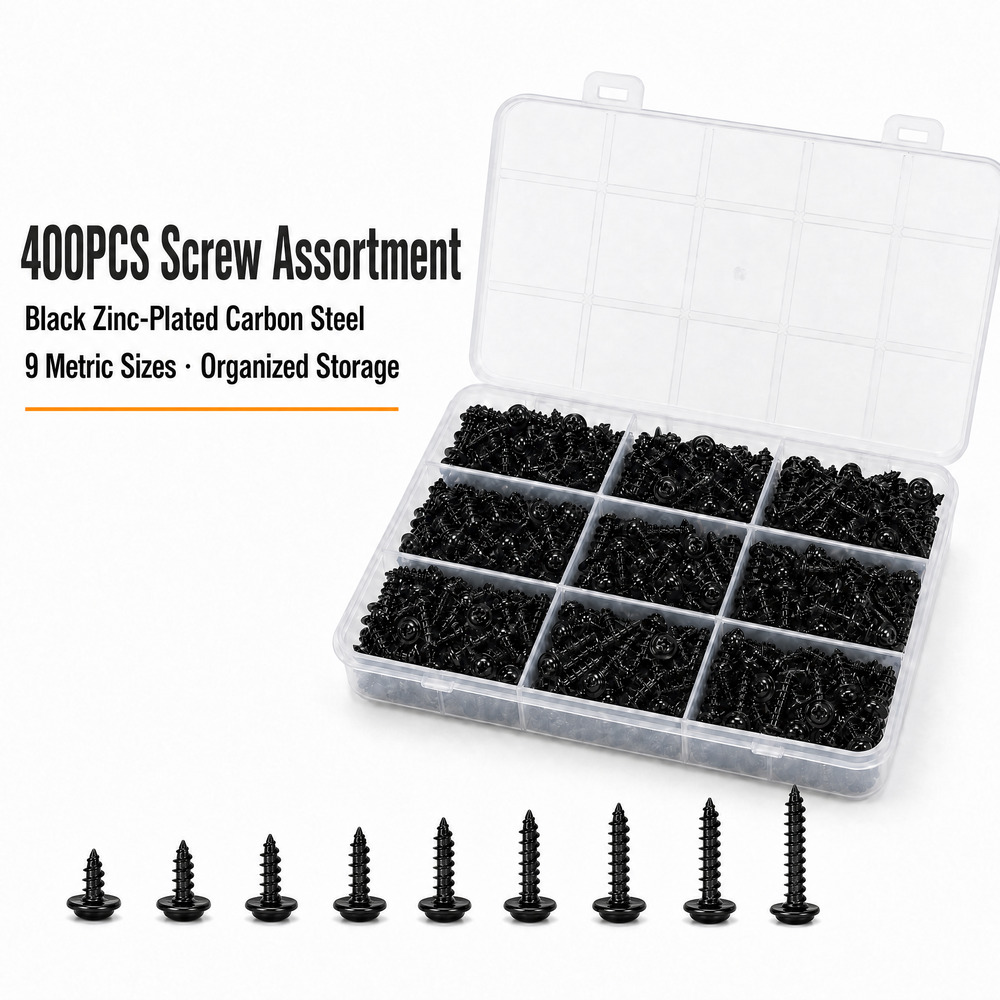
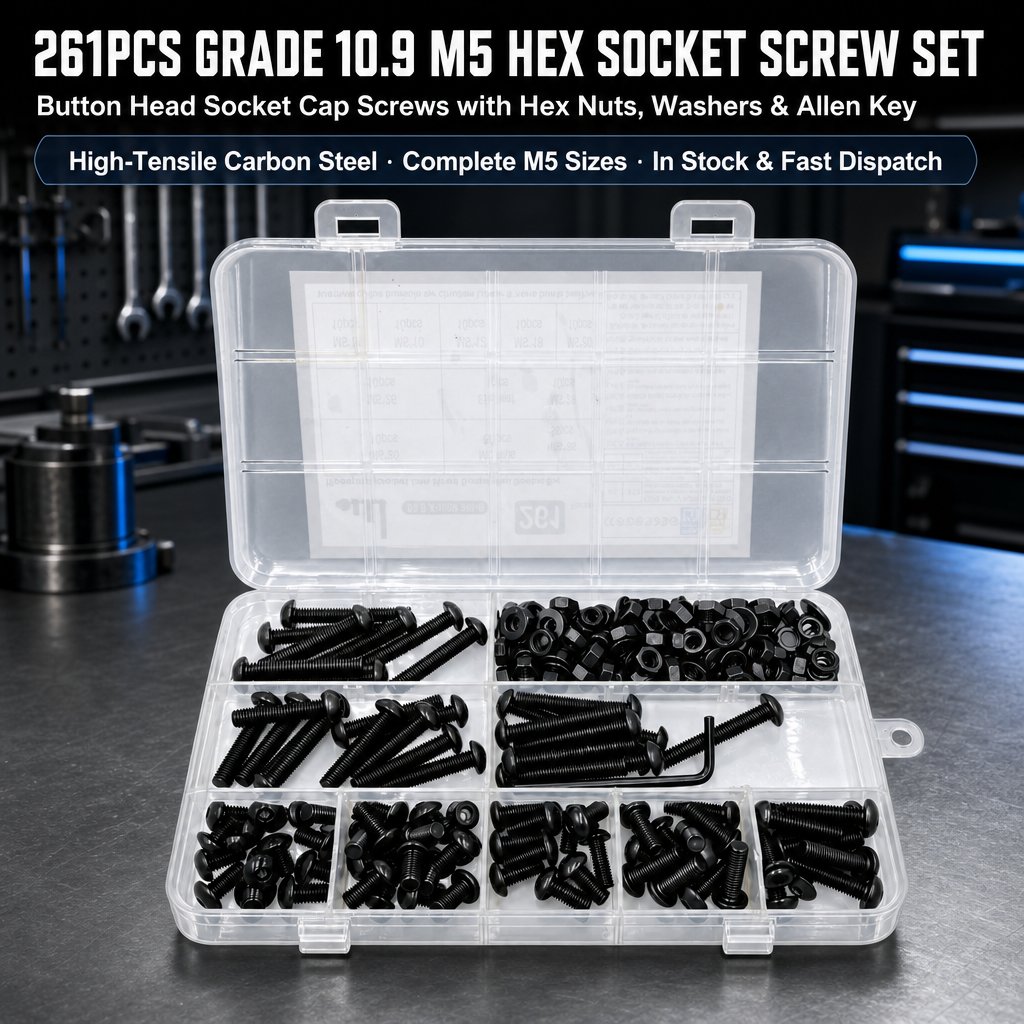
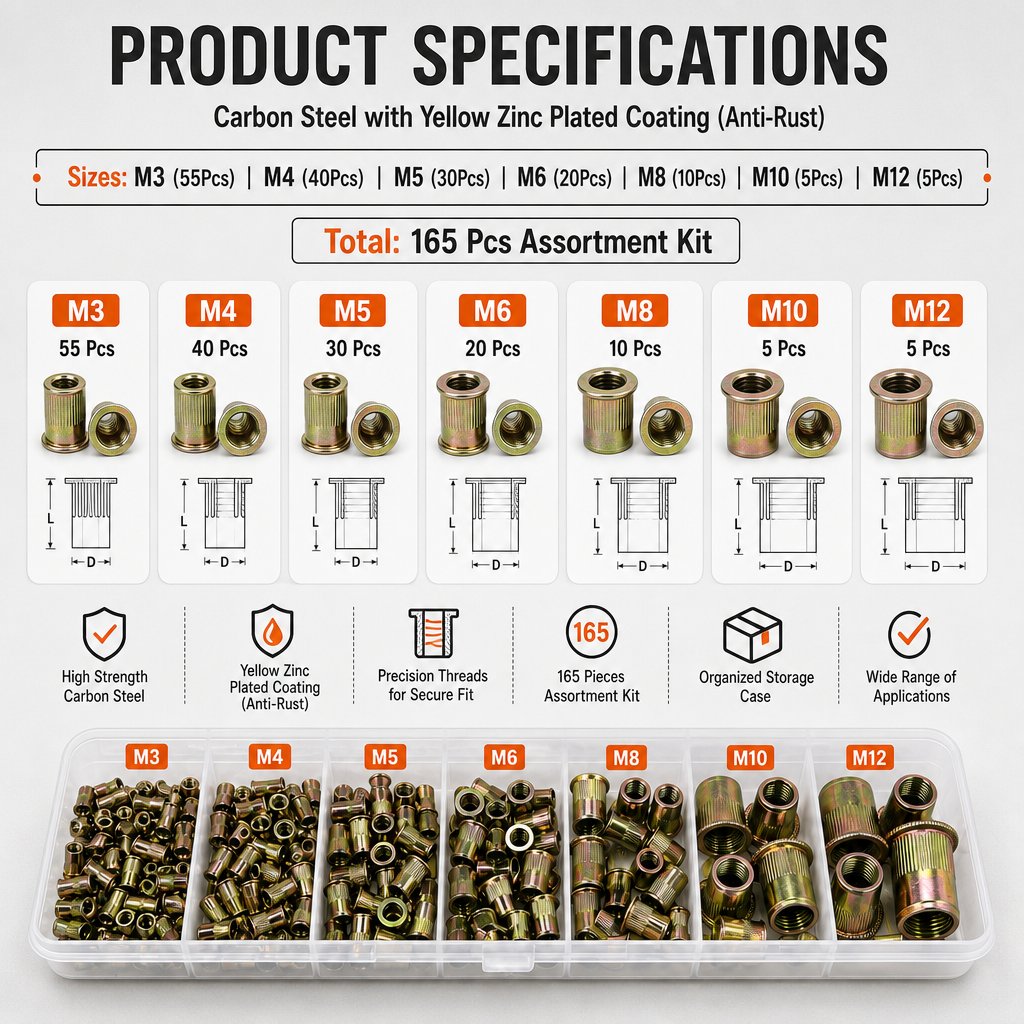
Forward-thinking manufacturers now offer three strategic pathways to address these diverse requirements: ready stock screws for immediate replenishment, custom screw manufacturing for specialized applications, and pre-configured screw assortment kits for multi-size projects. Ready stock solutions provide rapid fulfillment for standard requirements, while custom manufacturing accommodates unique specifications for diameter, length, head style, drive type, and surface finish. Assortment kits streamline operations for maintenance teams and product distributors by organizing multiple sizes in one convenient package.
The direct manufacturer advantage becomes particularly valuable when projects require multiple service types simultaneously. For instance, an automotive component manufacturer might need immediate stock for production line maintenance while simultaneously developing custom screws for a new product line. By eliminating intermediary communication layers, direct manufacturers reduce specification errors, accelerate time-to-market, and provide transparent quality control throughout the production process.
When initiating a sourcing request, buyers should provide clear specifications including screw type, dimensions, material requirements, application context, and packaging preferences. Technical drawings or physical samples significantly enhance accuracy in custom projects, while detailed application information helps manufacturers recommend optimal solutions between standard and custom options.
As global supply chains continue evolving in 2026, the most successful procurement strategies recognize that there's no universal 'best' solution—only the right solution for specific application requirements. Companies that leverage direct manufacturer relationships to navigate between OEM precision and aftermarket flexibility will gain competitive advantages through improved quality control, reduced inventory costs, and enhanced supply chain resilience. The key lies in understanding when to prioritize guaranteed compatibility and when to embrace the adaptability that keeps operations moving forward in an increasingly complex manufacturing world.
Latest News
November 5, 2026
Direct Fastener Manufacturing: Strategic Solutions for 2026's Evolving Supply Chain Demands
November 4, 2026
Streamlining Supply Chains: How Direct Fastener Manufacturers Deliver Optimal Stock, Custom and Packaged Screw Solutions
November 3, 2026
Direct Fastener Solutions: Strategic Sourcing for OEM and Aftermarket Applications in 2026


