
_20241127142727A634.png)
 English
 中文
 한국어
 بالعربية
 Français
 Russian
 Español
 Portuguese
NEWS
Streamlining Supply Chains: How Direct Fastener Manufacturers Deliver Optimal Stock, Custom and Packaged Screw Solutions
November 4, 2026
Provenance::
ZHIXIU
In today's rapidly evolving manufacturing landscape, selecting the right fastener supplier has become a strategic decision that impacts product quality, production timelines, and overall supply chain resilience. As global demand for precision components intensifies in 2026, forward-thinking companies are turning to direct fastener manufacturers to address the growing complexity of sourcing requirements across automotive, electronics, industrial equipment, and consumer product sectors.
Working directly with a fastener source factory eliminates multiple communication layers that often lead to specification errors and delays. This direct connection enables precise technical discussions about dimensions, materials, finishes, and performance requirements. According to industry reports, companies that partner with direct manufacturers experience up to 30% reduction in specification-related errors and significantly improved time-to-market for new products. The ability to discuss requirements directly with engineering and production teams ensures that critical factors like torque specifications, thread compatibility, and material integrity are properly addressed from the outset.
For immediate production needs, ready stock screws provide an efficient solution for standard requirements, maintenance operations, and urgent replenishment scenarios. Leading manufacturers maintain strategic inventories of commonly used fasteners including M2.5-M6 machine screws with zinc or specialized coatings, DIN84 slotted cheese head screws, and self-tapping variants for wood and metal applications. When specifying stock items, providing detailed information about screw type, dimensions, quantity, material requirements, application purpose, and delivery destination enables suppliers to quickly confirm availability and shipping options, potentially reducing lead times from weeks to days.
Custom screw manufacturing has become increasingly essential as product designs grow more specialized. From Parker screws with unique thread geometry for automotive panels to precision electronics fasteners requiring exact tolerances, custom solutions address specific engineering challenges. Manufacturers can produce screws based on technical drawings, physical samples, or detailed specifications, incorporating customized diameters, head styles, drive types, thread designs, and surface treatments. This capability proves invaluable when standard offerings cannot meet the performance requirements of mission-critical applications where failure could result in safety concerns or warranty issues.
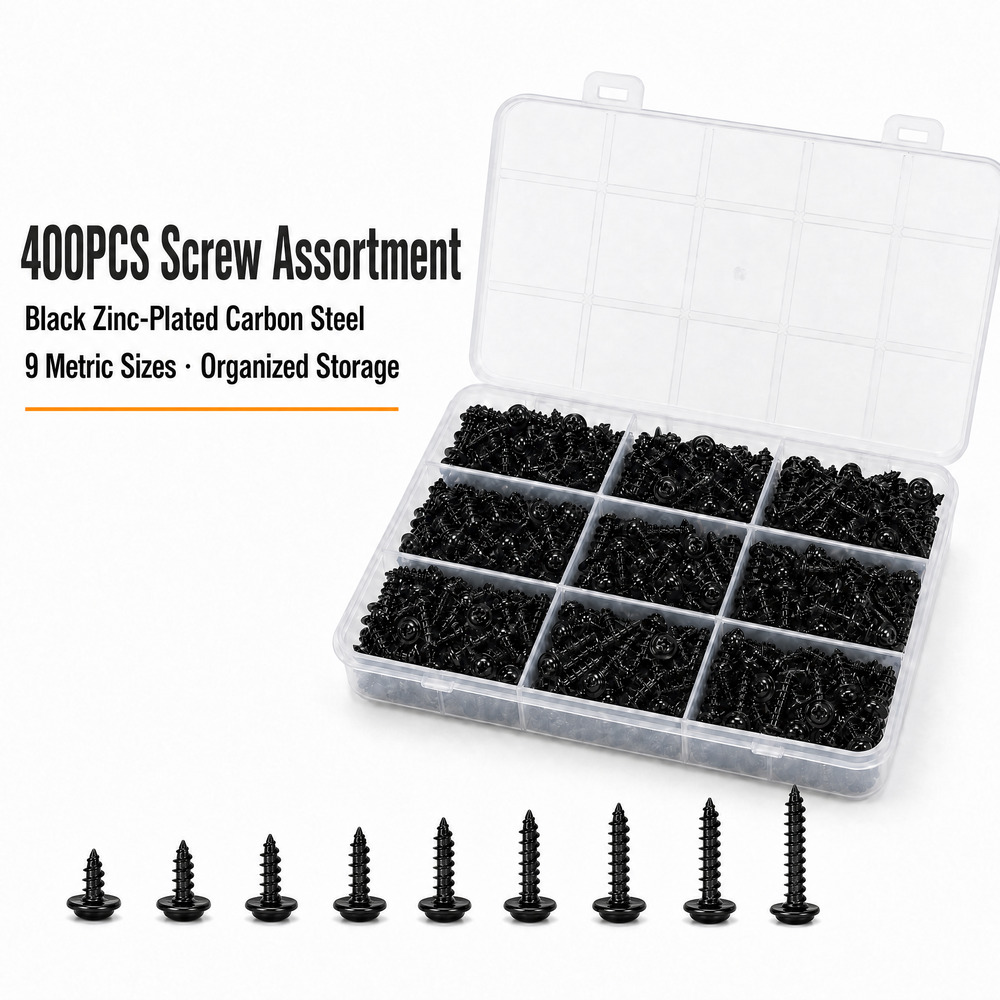
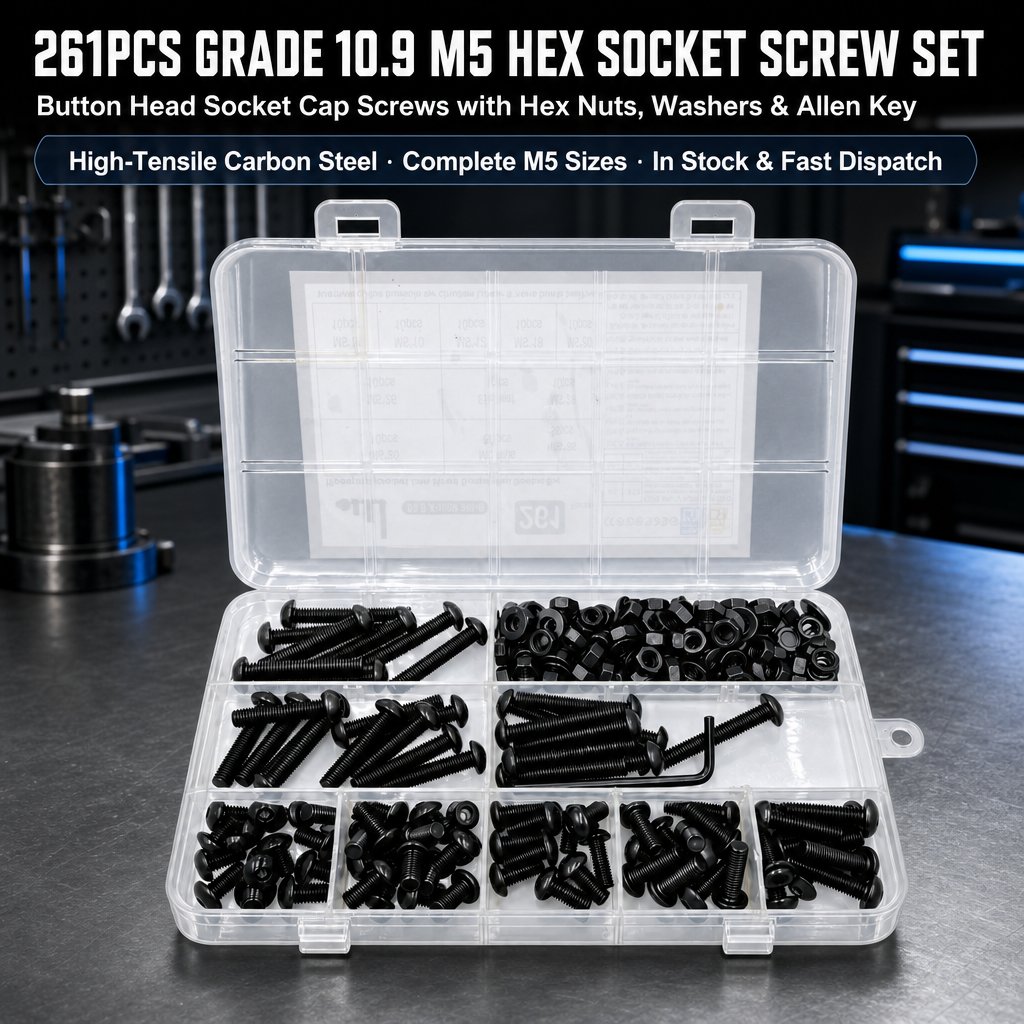
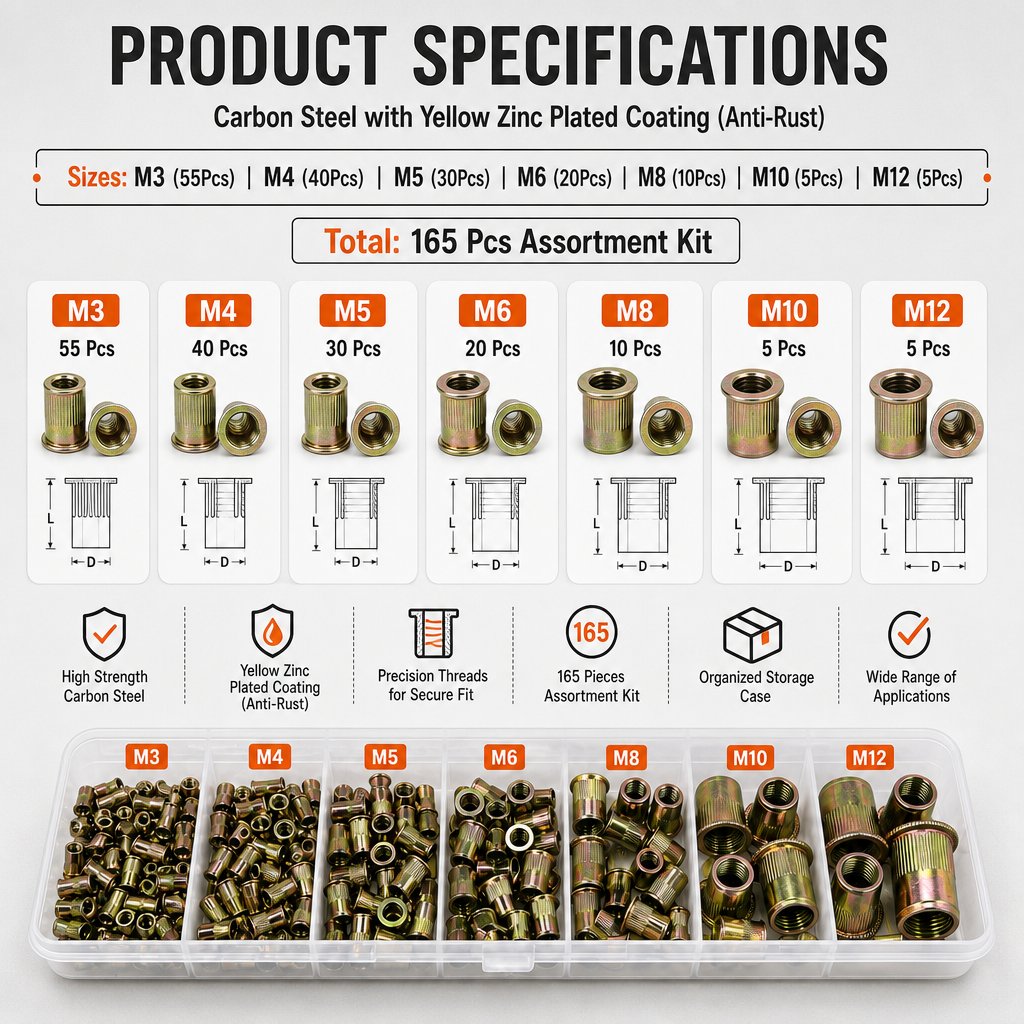
Screw assortment kits represent an innovative packaging solution gaining traction across multiple industries. These organized multi-size packages simplify inventory management for maintenance teams, improve efficiency for field technicians, and create value-added offerings for distributors. Customizable kit configurations allow businesses to combine specific screw types, sizes, and quantities in purpose-designed packaging with branded labeling, barcodes, and retail-ready presentation. This approach not only enhances user experience but also reduces packaging waste and streamlines distribution channels.
Selecting between stock, custom, or packaged solutions depends on project priorities. For standard replenishment needs, ready stock provides speed. For specialized applications requiring exact specifications, custom manufacturing delivers precision. For organizations managing multiple screw sizes across various applications, assortment kits offer organizational benefits. The most strategic approach often involves a combination of these solutions tailored to specific operational requirements.
To initiate an effective sourcing process, procurement professionals should provide clear specifications including product type, dimensions, quantity requirements, material and finish preferences, application context, packaging needs, and delivery parameters. This comprehensive approach enables direct manufacturers to recommend the optimal solution while minimizing misunderstandings that can lead to costly production delays or quality issues in today's competitive manufacturing environment.
Latest News
November 5, 2026
Direct Fastener Manufacturing: Strategic Solutions for 2026's Evolving Supply Chain Demands
November 4, 2026
Streamlining Supply Chains: How Direct Fastener Manufacturers Deliver Optimal Stock, Custom and Packaged Screw Solutions
November 3, 2026
Direct Fastener Solutions: Strategic Sourcing for OEM and Aftermarket Applications in 2026


