
_20241127142727A634.png)
 English
 中文
 한국어
 بالعربية
 Français
 Russian
 Español
 Portuguese
NEWS
Strategic Sourcing in 2026: Navigating the Critical Choice Between OEM Standard and Aftermarket Fasteners
October 25, 2026
Provenance::
ZHIXIU
In 2026's increasingly complex manufacturing landscape, the seemingly simple decision between OEM standard screws and aftermarket alternatives has evolved from a technical specification into a high-stakes strategic procurement choice. With global supply chains under pressure from geopolitical shifts, rising material costs, and increasingly sophisticated product architectures, buyers must carefully weigh the trade-offs between precision engineering and flexible sourcing options.
OEM standard screws remain the backbone of mission-critical applications where safety, regulatory compliance, and warranty protection are non-negotiable. Engineered to exact product specifications, these fasteners guarantee perfect fitment and performance in automotive assembly lines, medical devices, and aerospace applications. Their traceability and consistent quality make them indispensable for large-scale manufacturing where even minor deviations can trigger costly recalls or void warranties. As supply chain disruptions continue to challenge global manufacturing, OEM fasteners provide the reliability that maintains production continuity in critical sectors.
Conversely, aftermarket screws have gained significant traction in 2026, particularly within the booming repair economy and specialized industrial applications. Offering greater flexibility and often lower costs, these alternatives enable faster turnaround for maintenance operations, DIY repairs, and product adaptations. The surge in e-commerce repair activity has created unprecedented demand for compatible aftermarket solutions that can bridge the gap when OEM parts face extended lead times. However, buyers must navigate inherent risks including variable material quality, inconsistent dimensional accuracy, and potential safety implications when selecting non-certified alternatives.
The strategic advantage in 2026 lies with buyers who establish direct relationships with fastener manufacturers rather than relying solely on distributors. Working directly with the source factory provides critical benefits: immediate access to technical expertise for specification verification, flexible options between ready stock and custom manufacturing, and tailored packaging solutions that streamline inventory management. This direct connection becomes particularly valuable when projects require a hybrid approach—combining immediate stock availability for urgent needs with custom solutions for specialized applications.
Modern procurement strategies increasingly leverage a three-pronged approach to fastener sourcing. Ready stock options provide immediate solutions for standard requirements and emergency replenishment. Custom manufacturing addresses unique specifications that standard products cannot fulfill. Meanwhile, pre-configured screw assortment kits optimize multi-size requirements for maintenance teams, assembly operations, and retail distribution channels. The most successful buyers in 2026 understand when to deploy each solution based on project priorities, balancing speed, cost, quality, and compliance requirements.
As industry standards evolve and regulatory requirements become more stringent, the documentation trail provided by direct manufacturer relationships has become equally important as the physical product. Comprehensive material certifications, production records, and quality control documentation now form an essential component of the procurement decision, particularly for industries facing increasing regulatory scrutiny.
Looking ahead, the most effective procurement strategies will integrate digital tools for specification management, real-time inventory visibility, and collaborative design review with manufacturing partners. Buyers who establish these integrated relationships today will be best positioned to navigate the increasingly complex fastener sourcing landscape of tomorrow, turning what was once considered a commodity purchase into a strategic advantage.
Latest News
November 5, 2026
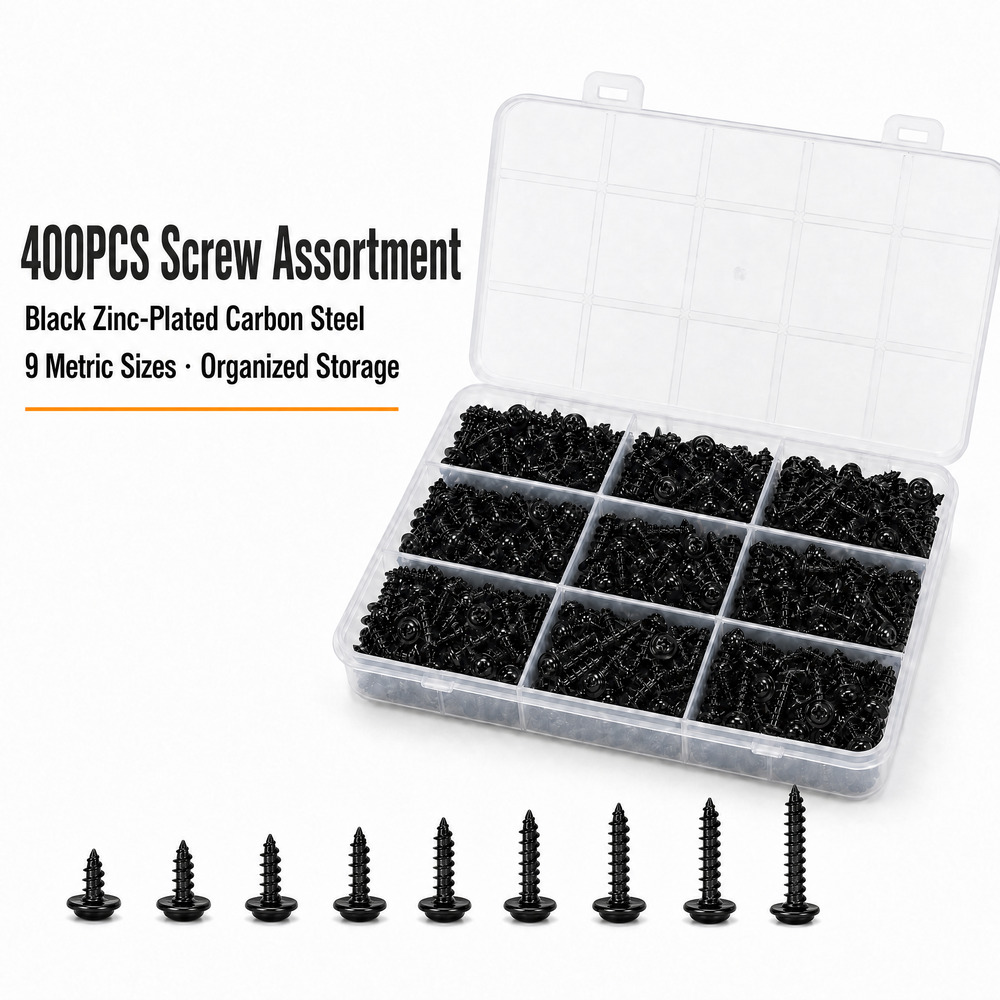
Direct Fastener Manufacturing: Strategic Solutions for 2026's Evolving Supply Chain Demands
November 4, 2026
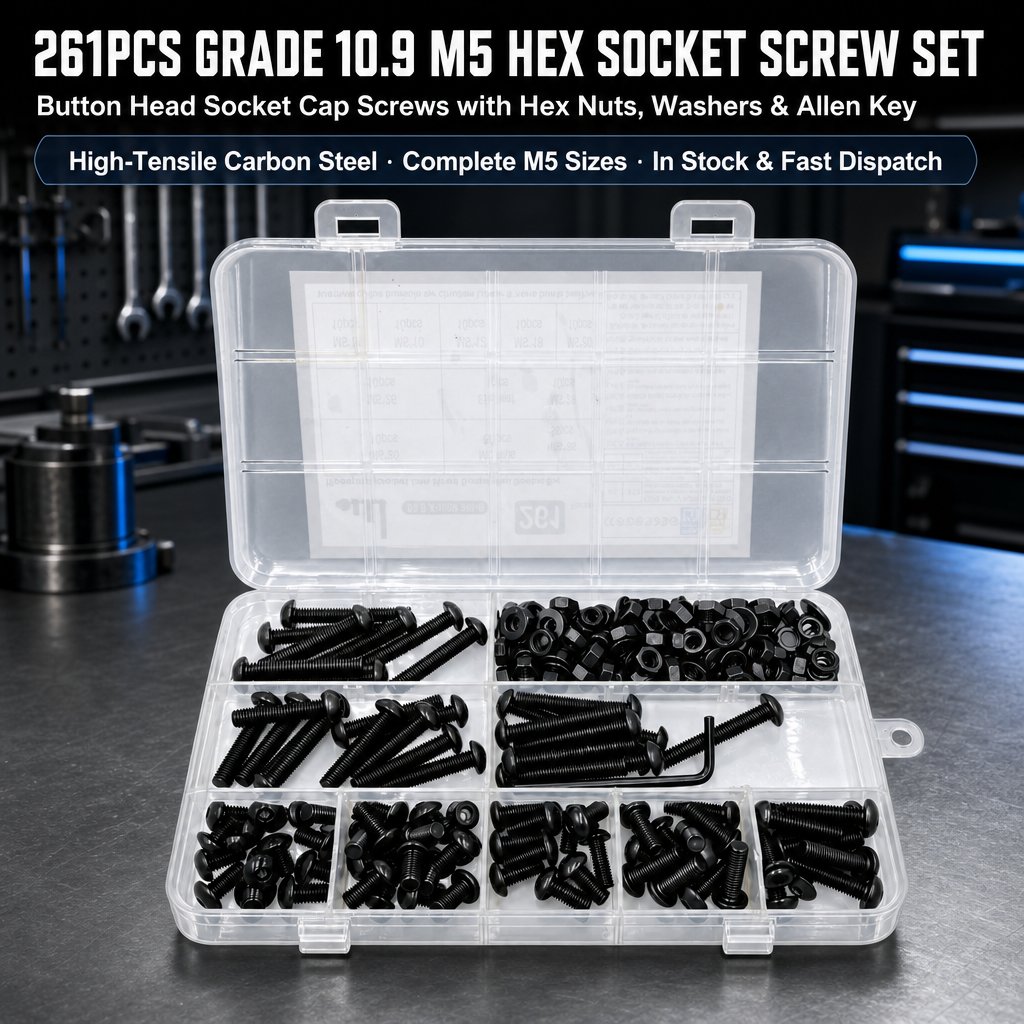
Streamlining Supply Chains: How Direct Fastener Manufacturers Deliver Optimal Stock, Custom and Packaged Screw Solutions
November 3, 2026
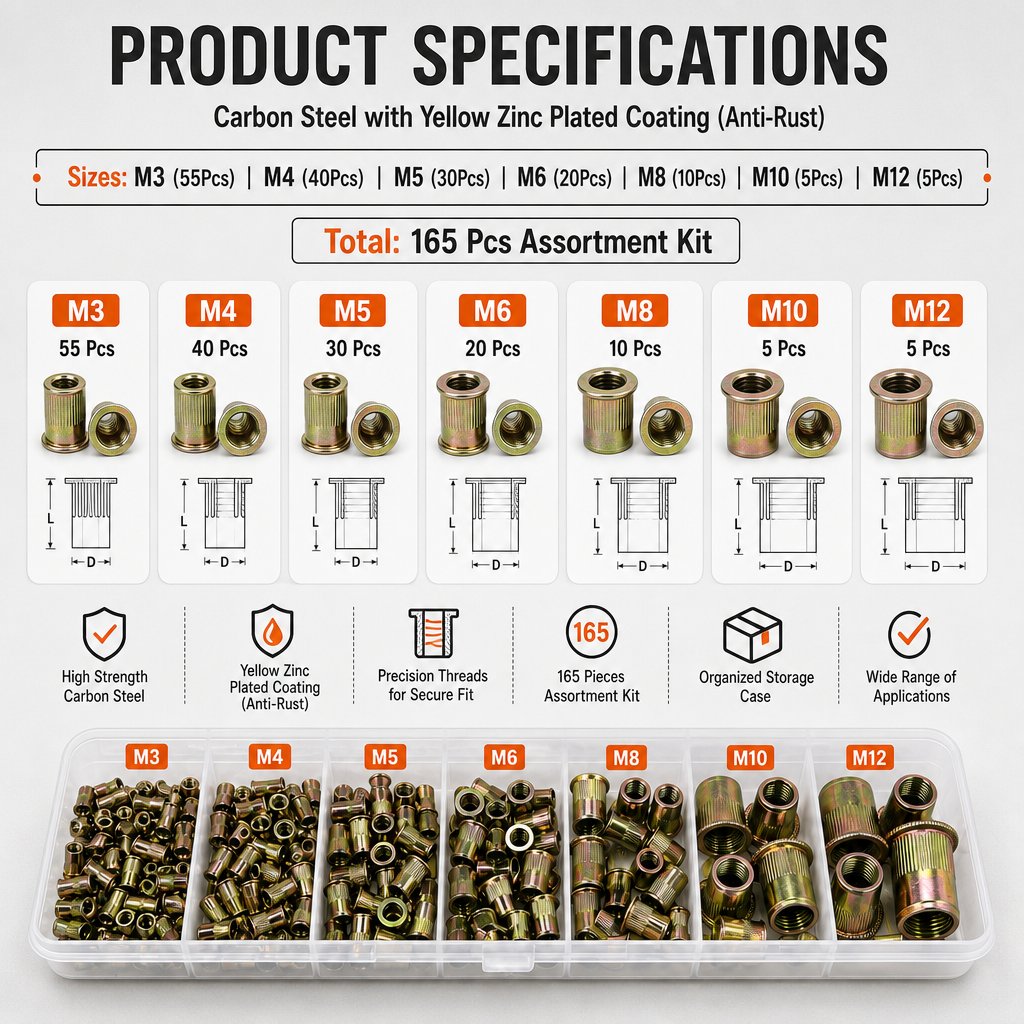
Direct Fastener Solutions: Strategic Sourcing for OEM and Aftermarket Applications in 2026


