
_20241127142727A634.png)
 English
 中文
 한국어
 بالعربية
 Français
 Russian
 Español
 Portuguese
NEWS
Direct Fastener Manufacturing: Strategic Solutions for 2026's Evolving Supply Chain Demands
November 5, 2026
Provenance::
ZHIXIU
As global supply chains face unprecedented complexity in 2026, the strategic selection between OEM standard screws and aftermarket alternatives has become a critical procurement decision affecting safety, warranty compliance, and operational efficiency. With rising demand for geographically diverse sourcing, increasingly complex device architectures, and surging e-commerce repair activity, buyers must navigate a landscape where the wrong fastener choice can lead to mechanical failure, voided warranties, and significant financial strain.
Direct fastener manufacturers offer a strategic advantage by eliminating intermediaries and enabling precise technical communication between buyers and production teams. This direct connection proves invaluable when addressing the nuanced requirements of modern applications across automotive, electronics, industrial equipment, and consumer products. Unlike traditional supply chains where specifications pass through multiple channels, direct manufacturers facilitate immediate clarification of dimensions, materials, finishes, and performance criteria—reducing misunderstandings that often lead to costly rework and delays.
For urgent replenishment needs and standard applications, ready stock screws provide a vital solution in today's volatile supply environment. These pre-manufactured fasteners, available in common specifications like M2.5-M6 zinc-coated steel electronics fasteners or DIN84 zinc-plated cheese head screws, enable buyers to bypass production lead times during critical supply chain disruptions. When evaluating stock availability, buyers should specify screw type, required dimensions, quantity, material requirements, application purpose, and delivery timeline to ensure optimal matching with existing inventory.
When standard solutions fall short, custom screw manufacturing delivers the precision required for mission-critical applications. In 2026, this capability proves essential as product designs grow increasingly specialized, demanding unique head styles, thread configurations, or material properties. Whether developing Parker screws for automotive panels or specialized self-tapping variants for electronics assembly, direct manufacturers can transform technical drawings, physical samples, or detailed specifications into production-ready components with customized diameters, lengths, drive types, surface treatments, and packaging configurations.
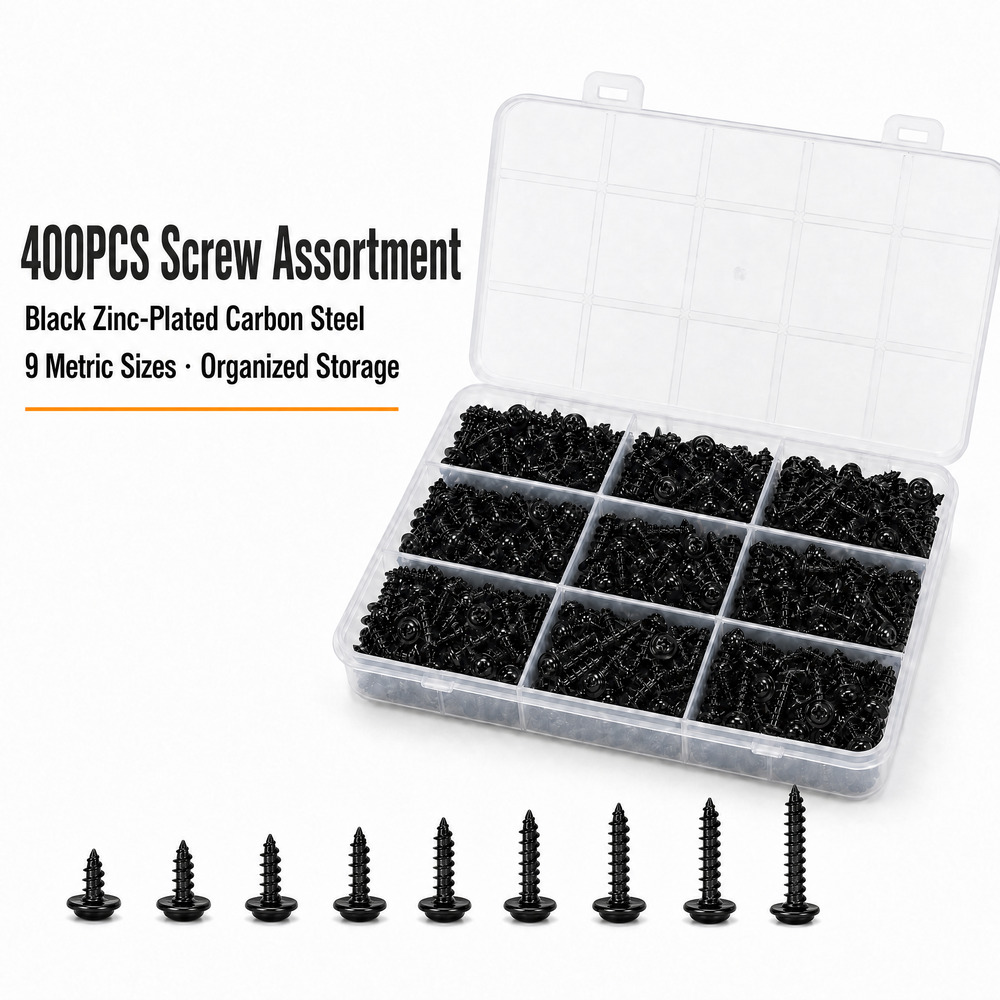
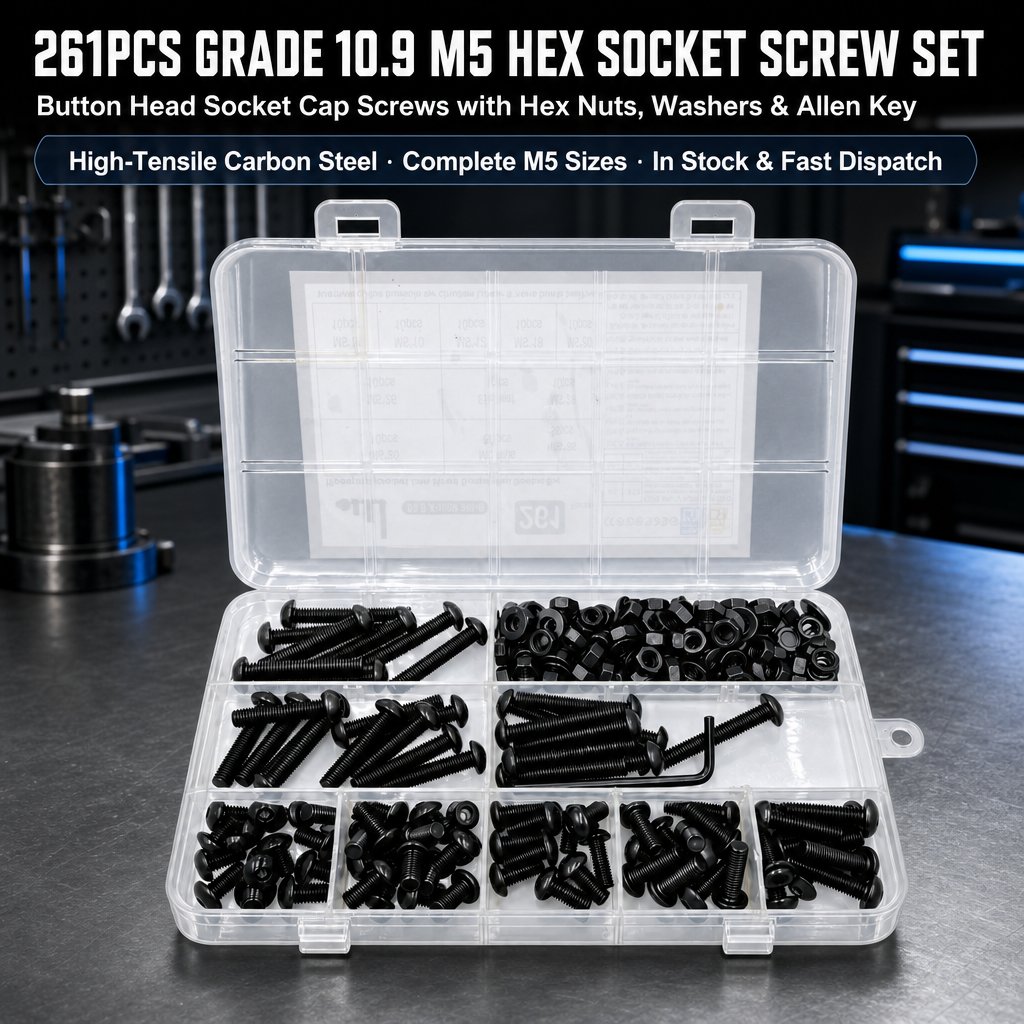
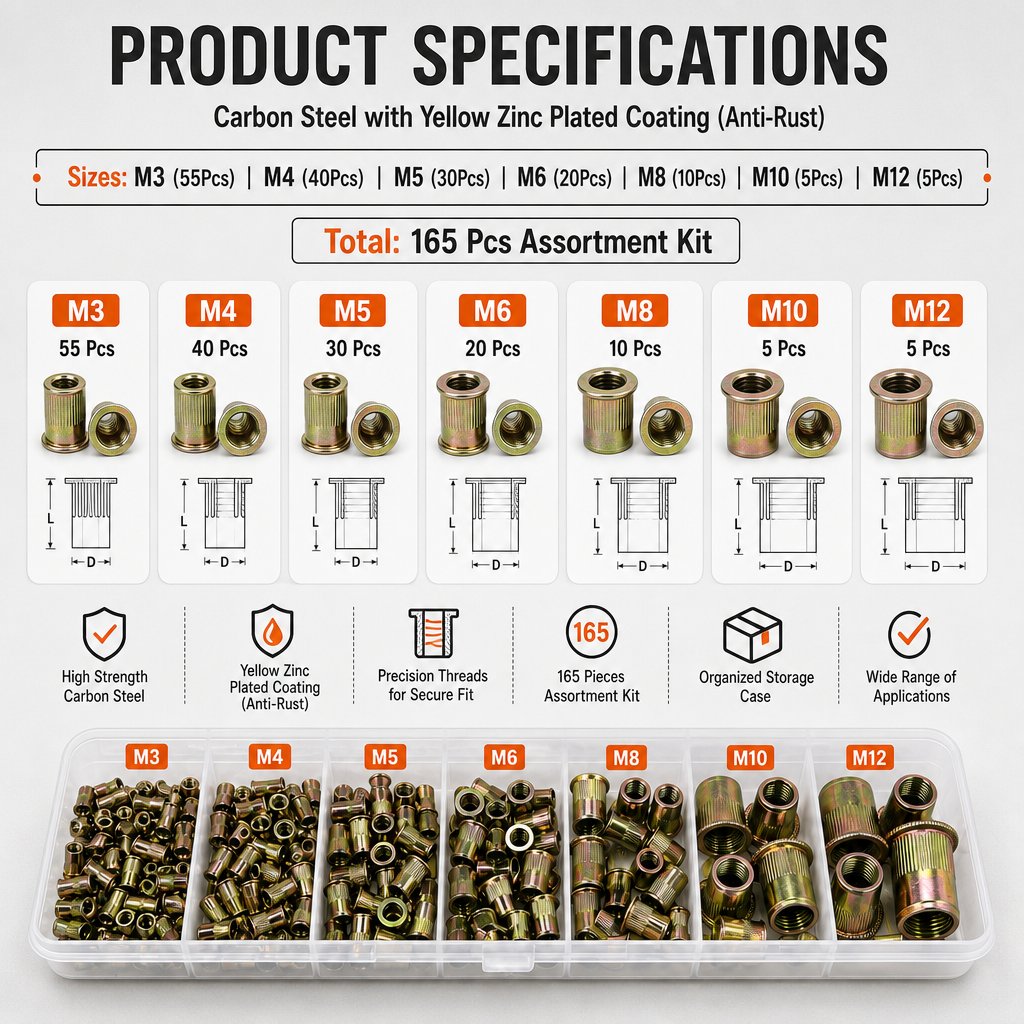
The growing DIY repair movement and commercial refurbishment sectors have amplified demand for screw assortment kits that organize multiple sizes in a single, branded package. These kits, tailored for maintenance, installation, furniture assembly, or product distribution, simplify inventory management while enhancing user experience. Manufacturers now offer comprehensive customization of kit contents, compartment layouts, labeling systems, and retail packaging—including private labeling, barcoding, and branded box designs—to meet specific market requirements.
Strategic buyers in 2026 recognize that the optimal solution often combines multiple approaches: leveraging ready stock for immediate needs while developing custom solutions for specialized applications, all supported by organized assortment kits for end-user distribution. This integrated approach minimizes supply chain risk while ensuring product integrity across diverse applications—from factory assembly lines to passionate DIY repair communities.
Starting the procurement process requires clear communication of requirements: product specifications, application context, quantity needs, packaging preferences, and delivery expectations. By providing detailed information upfront—including technical drawings, material requirements, and performance expectations—buyers enable direct manufacturers to recommend the most appropriate solution while avoiding common pitfalls associated with fastener selection in today's complex global marketplace.
Latest News
November 5, 2026
Direct Fastener Manufacturing: Strategic Solutions for 2026's Evolving Supply Chain Demands
November 4, 2026
Streamlining Supply Chains: How Direct Fastener Manufacturers Deliver Optimal Stock, Custom and Packaged Screw Solutions
November 3, 2026
Direct Fastener Solutions: Strategic Sourcing for OEM and Aftermarket Applications in 2026


