
_20241127142727A634.png)
 English
 中文
 한국어
 بالعربية
 Français
 Russian
 Español
 Portuguese
NEWS
Direct Fastener Solutions: Optimizing Your Screw Supply Chain Strategy in 2026
October 23, 2026
Provenance::
ZHIXIU
As global manufacturing evolves in 2026, the strategic selection between OEM standard screws and aftermarket alternatives has become a critical business decision affecting safety, compliance, and bottom-line results. Rising demand for geographically diverse supply chains, increasingly complex device architectures, and surging e-commerce repair activity are placing unprecedented pressure on procurement teams to optimize their fastener sourcing strategies.
Working directly with a fastener manufacturer eliminates multiple communication layers, enabling precise technical discussions from project inception. This direct connection proves invaluable when balancing the reliability of OEM standard screws—engineered to match exact product prints and guarantee regulatory compliance—with the cost efficiency and flexibility of aftermarket alternatives. The consequences of poor fastener selection range from immediate mechanical failure to voided warranties and significant financial strain.
For immediate needs, ready stock screws offer accelerated replenishment for standard requirements, maintenance work, and urgent projects. In 2026's volatile supply chain environment, having access to verified inventory of common fasteners like M2.5-M3 zinc-coated machine screws or DIN84 slotted cheese head screws can prevent costly production delays. Buyers should specify screw type, size, quantity, material requirements, application purpose, and delivery destination to efficiently verify stock availability.
When standard solutions fall short, custom screw manufacturing delivers tailored options that meet unique specifications. Whether requiring specialized thread designs, material compositions, or surface treatments for applications ranging from automotive panels to electronics assembly, direct manufacturers can transform technical drawings or physical samples into precision-engineered components. The customization scope typically includes diameter and length variations, head types, drive styles, thread designs, material selections, and specialized packaging configurations.
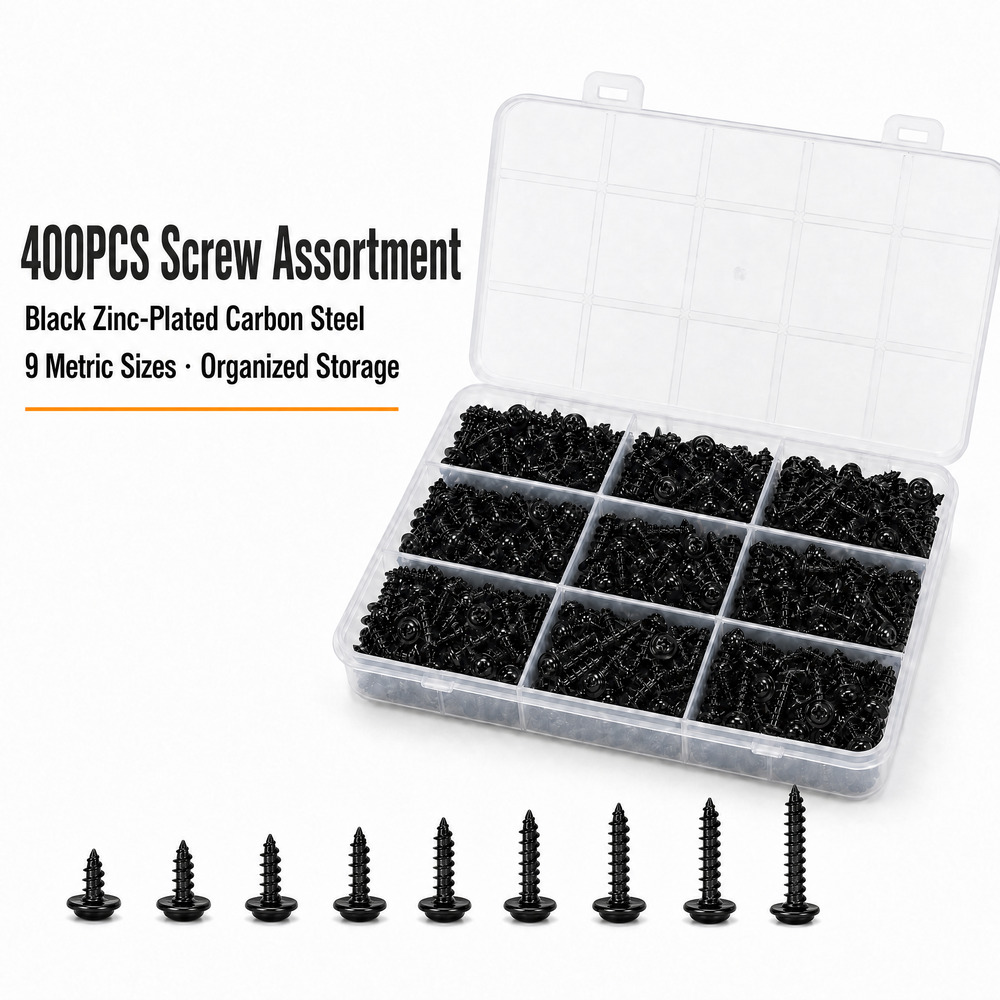
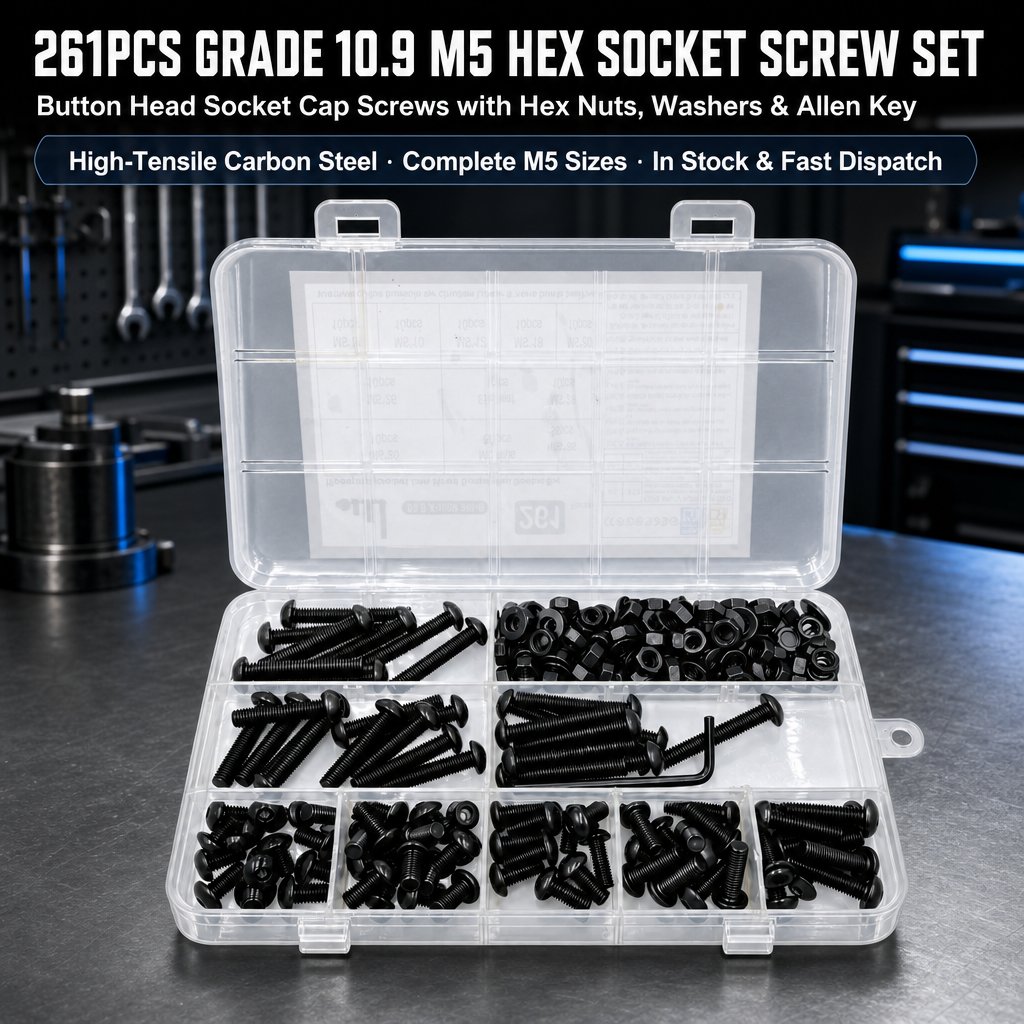
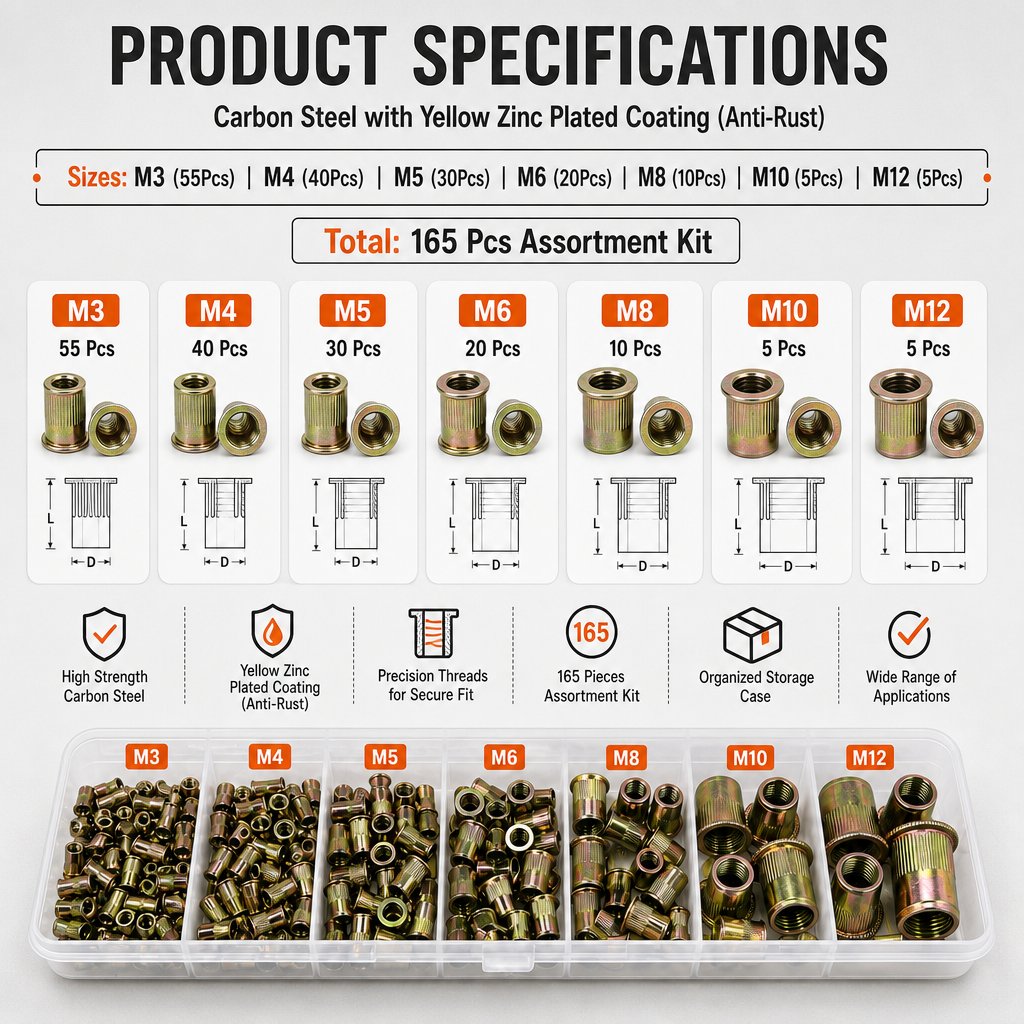
Screw assortment kits represent another strategic solution gaining traction in 2026, particularly for B2B refurbishment and DIY repair communities. These organized multi-size packages simplify storage, identification, and daily use while providing a professional format for distributors and retailers. Customizable options include screw types, size combinations, quantity allocations, compartmentalized packaging, and branded labeling—making them ideal for maintenance teams, furniture assembly, and electronics repair operations.
The optimal approach often combines multiple solutions. Forward-thinking procurement teams are evaluating their requirements through three lenses: immediate availability (stock screws), specialized needs (custom manufacturing), and organizational efficiency (assortment kits). This integrated strategy proves especially valuable when navigating the Parker screw vs. self-tapping screw decision matrix for automotive, electronics, and sheet metal applications where improper selection can cause installation errors, cost overruns, and post-sale quality claims.
To initiate an effective fastener sourcing strategy, provide clear specifications including product type, dimensions, material requirements, application context, packaging preferences, and delivery parameters. This comprehensive approach ensures manufacturers can accurately assess whether stock availability, custom production, or a combination solution best serves your 2026 operational needs while maintaining the critical balance between precision engineering and supply chain flexibility.
Latest News
November 5, 2026
Direct Fastener Manufacturing: Strategic Solutions for 2026's Evolving Supply Chain Demands
November 4, 2026
Streamlining Supply Chains: How Direct Fastener Manufacturers Deliver Optimal Stock, Custom and Packaged Screw Solutions
November 3, 2026
Direct Fastener Solutions: Strategic Sourcing for OEM and Aftermarket Applications in 2026


