
_20241127142727A634.png)
 English
 中文
 한국어
 بالعربية
 Français
 Russian
 Español
 Portuguese
NEWS
Direct Fastener Solutions: Navigating Stock, Custom and Packaged Screw Supply in 2026
October 22, 2026
Provenance::
ZHIXIU
In 2026's rapidly evolving manufacturing landscape, the choice between OEM standard screws and aftermarket alternatives has become a high-stakes procurement decision that impacts safety, warranty compliance, and operational efficiency. With rising demand for geographically diverse supply chains and increasingly complex device architectures, businesses must navigate the delicate balance between precision engineering and flexible sourcing.
Working directly with a fastener manufacturer eliminates communication barriers that often lead to specification errors. Unlike traditional supply chains where technical details pass through multiple intermediaries, direct manufacturer relationships enable precise confirmation of product dimensions, material specifications, and performance requirements. This streamlined communication proves especially valuable when addressing the growing e-commerce repair market, where inconsistent aftermarket screw quality can void warranties and compromise safety.
For immediate production needs, ready stock screws provide an efficient solution for standard requirements, maintenance work, and urgent replenishment. When the required product is already available, manufacturers can significantly reduce lead times. Current industry trends show that automotive and electronics producers increasingly rely on verified OEM-standard stock items for mission-critical applications where regulatory compliance is non-negotiable.
Custom screw manufacturing has become essential for projects requiring specialized dimensions, head styles, or material properties. In 2026, the distinction between Parker screws and self-tapping variants has grown more critical as device miniaturization demands precise thread geometry. Manufacturers now offer comprehensive customization options including diameter, length, head type, drive style, thread design, and specialized surface treatments to meet exact engineering specifications.
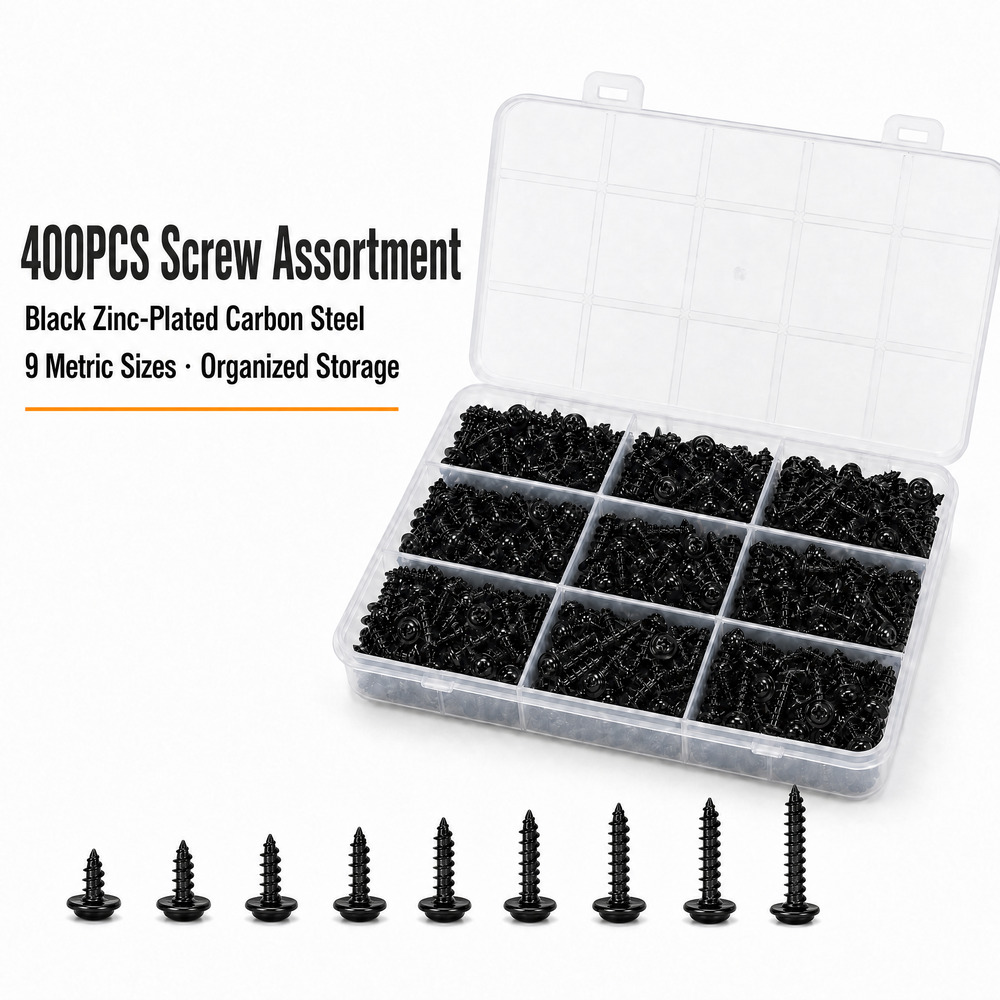
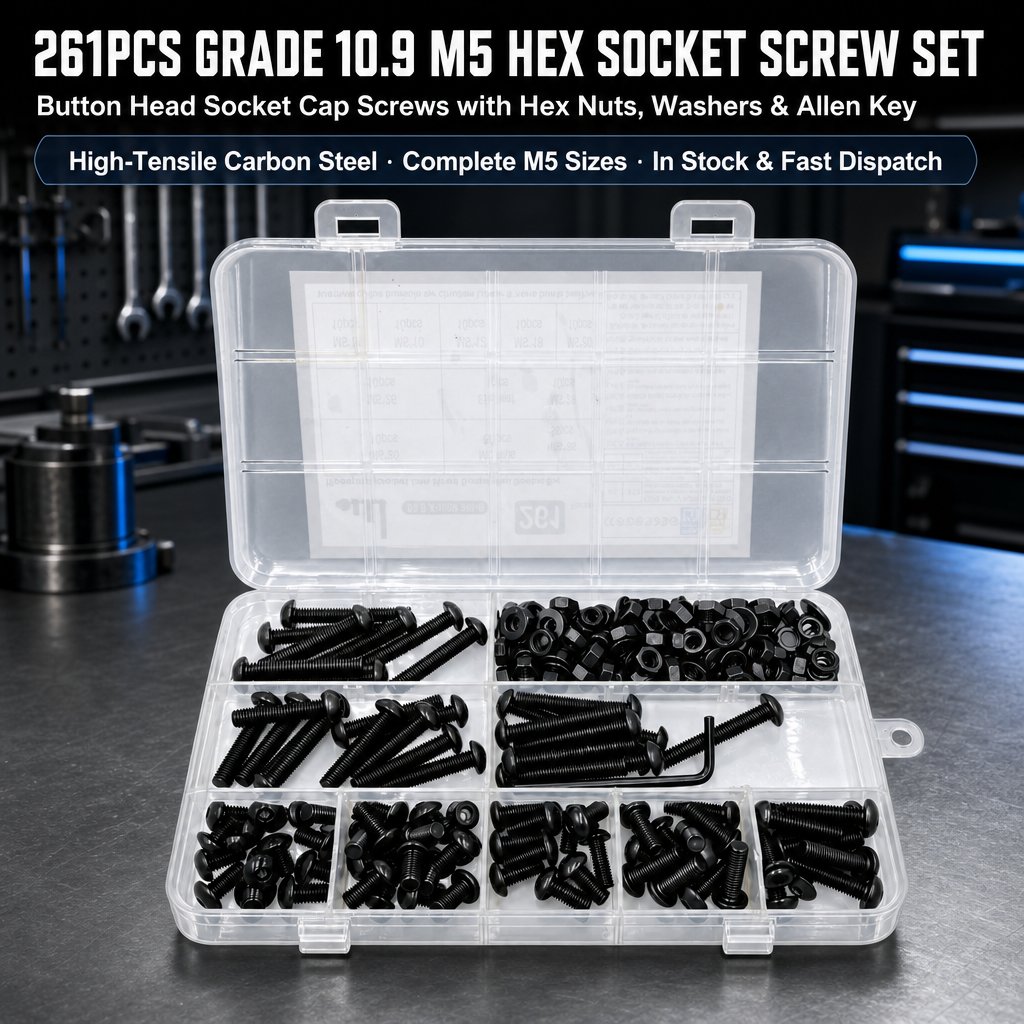
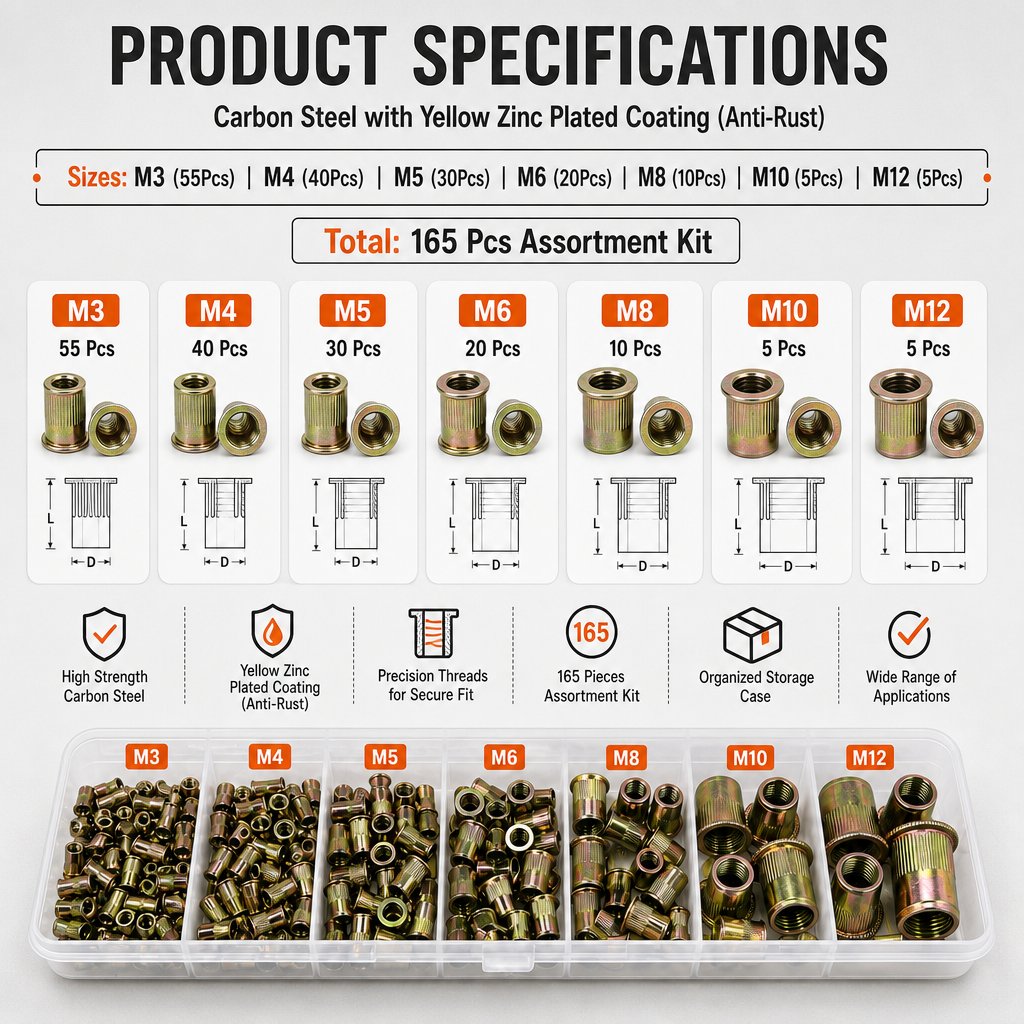
Screw assortment kits have gained popularity among both industrial maintenance teams and DIY repair communities. These organized packages containing multiple screw sizes in one configuration simplify inventory management and streamline repair processes. With the Right to Repair movement gaining momentum globally, well-designed assortment kits featuring consistent quality components help maintain device integrity while supporting sustainable repair practices.
The optimal solution depends on specific project requirements. Standard replenishment needs typically align with ready stock solutions, while specialized applications demand custom manufacturing. For organizations managing diverse equipment fleets, combined stock and custom supply approaches provide maximum flexibility. Industry leaders now recognize that compromising on fastener quality to reduce costs often leads to greater expenses through warranty claims, product failures, and reputational damage.
Starting a successful fastener sourcing project requires clear communication of specifications, application requirements, and packaging needs. Providing detailed technical drawings, samples, or precise dimensional requirements enables manufacturers to recommend the most appropriate solution—whether standard stock items, fully customized screws, or organized assortment kits. In 2026's competitive environment, the right fastener solution isn't merely about joining components—it's about ensuring product longevity, maintaining compliance, and protecting brand reputation.
As supply chain pressures continue to mount, manufacturers who establish direct relationships with specialized fastener producers gain significant advantages in quality control, cost management, and supply chain resilience. The investment in precision-engineered fastening solutions ultimately translates to more reliable products, satisfied customers, and sustainable business growth in today's demanding global marketplace.
Latest News
November 5, 2026
Direct Fastener Manufacturing: Strategic Solutions for 2026's Evolving Supply Chain Demands
November 4, 2026
Streamlining Supply Chains: How Direct Fastener Manufacturers Deliver Optimal Stock, Custom and Packaged Screw Solutions
November 3, 2026
Direct Fastener Solutions: Strategic Sourcing for OEM and Aftermarket Applications in 2026


