
_20241127142727A634.png)
 English
 中文
 한국어
 بالعربية
 Français
 Russian
 Español
 Portuguese
NEWS
Direct Fastener Solutions: Optimizing Stock, Custom and Packaged Screw Supply for 2026
October 31, 2026
Provenance::
ZHIXIU
In 2026's rapidly evolving manufacturing landscape, the strategic selection between OEM standard screws and aftermarket alternatives has become a high-stakes procurement decision impacting safety, compliance, and bottom-line results. Direct fastener manufacturers now offer integrated solutions that bridge the gap between precision engineering and flexible sourcing requirements.
Global buyers face unprecedented challenges: geographically diverse supply chains, increasingly complex device architectures, and surging e-commerce repair activity. These pressures have intensified the need for reliable fastening solutions that balance regulatory compliance with cost efficiency. The choice between OEM standard screws—engineered to exact product specifications—and aftermarket alternatives offering flexibility has never been more consequential.
Direct fastener manufacturers provide three strategic solutions to address these challenges. Ready stock screws offer immediate availability for standard requirements, urgent replenishment, and maintenance work. With current industry pressures emphasizing faster time-to-market, having access to verified inventory can reduce lead times by up to 60% compared to traditional ordering processes.
For applications demanding exact specifications, custom screw manufacturing delivers precision-engineered solutions based on technical drawings, samples, or detailed specifications. This approach ensures perfect fit, material compatibility, and regulatory compliance—critical factors for automotive, electronics, and aerospace applications where failure is not an option. In 2026, advanced manufacturing technologies have made custom solutions more accessible without compromising on cost efficiency.
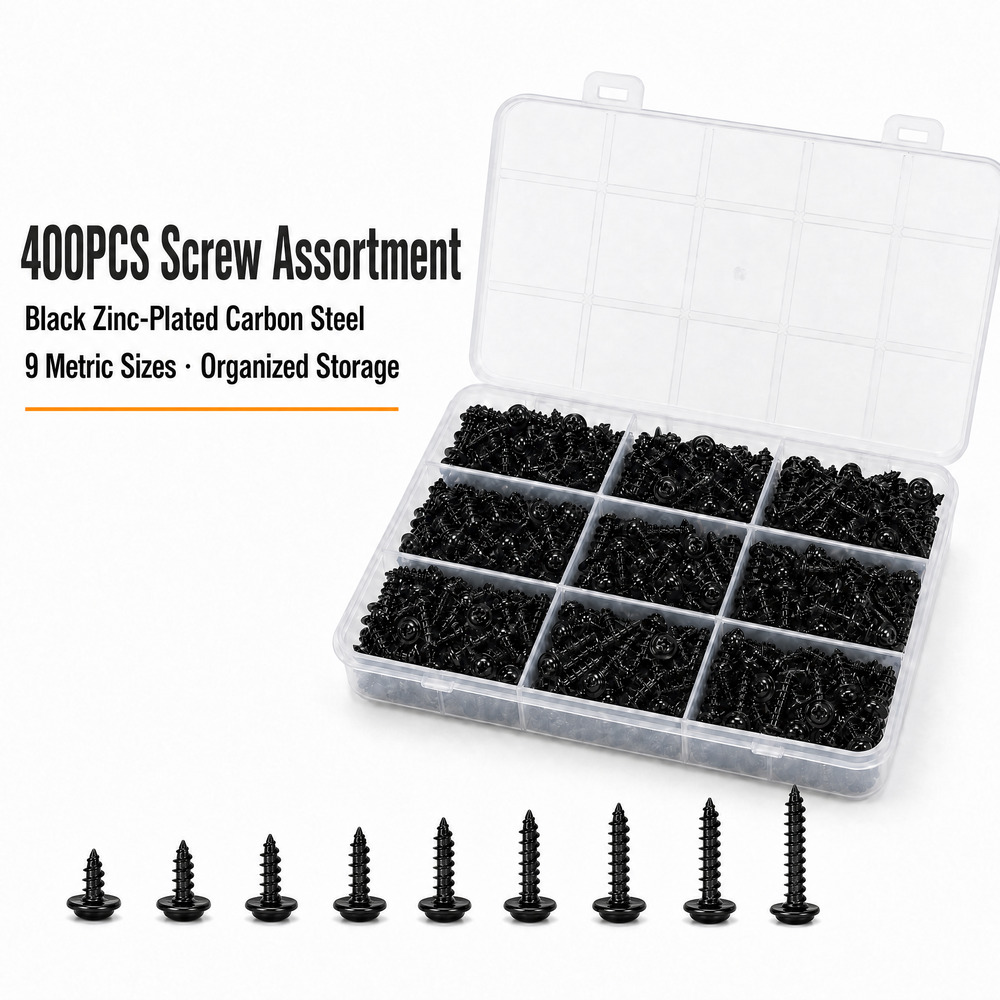
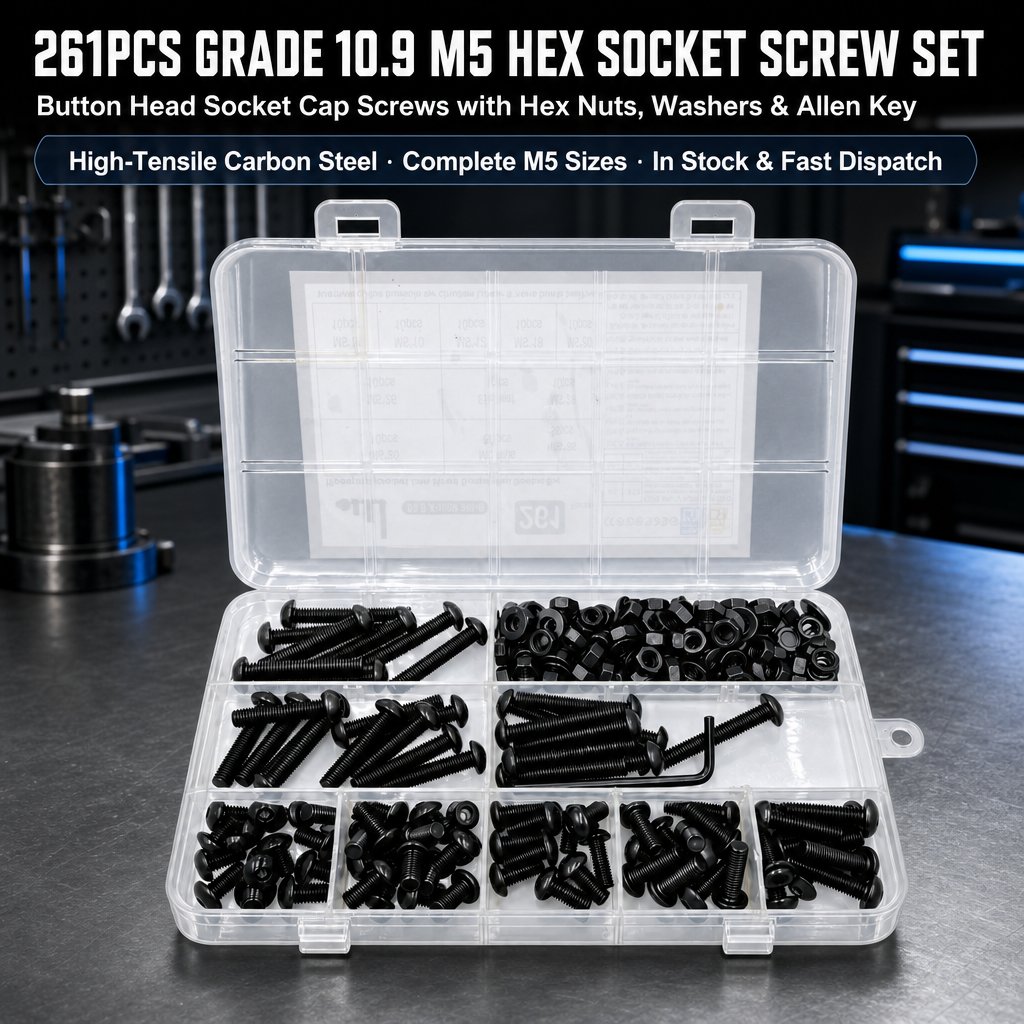
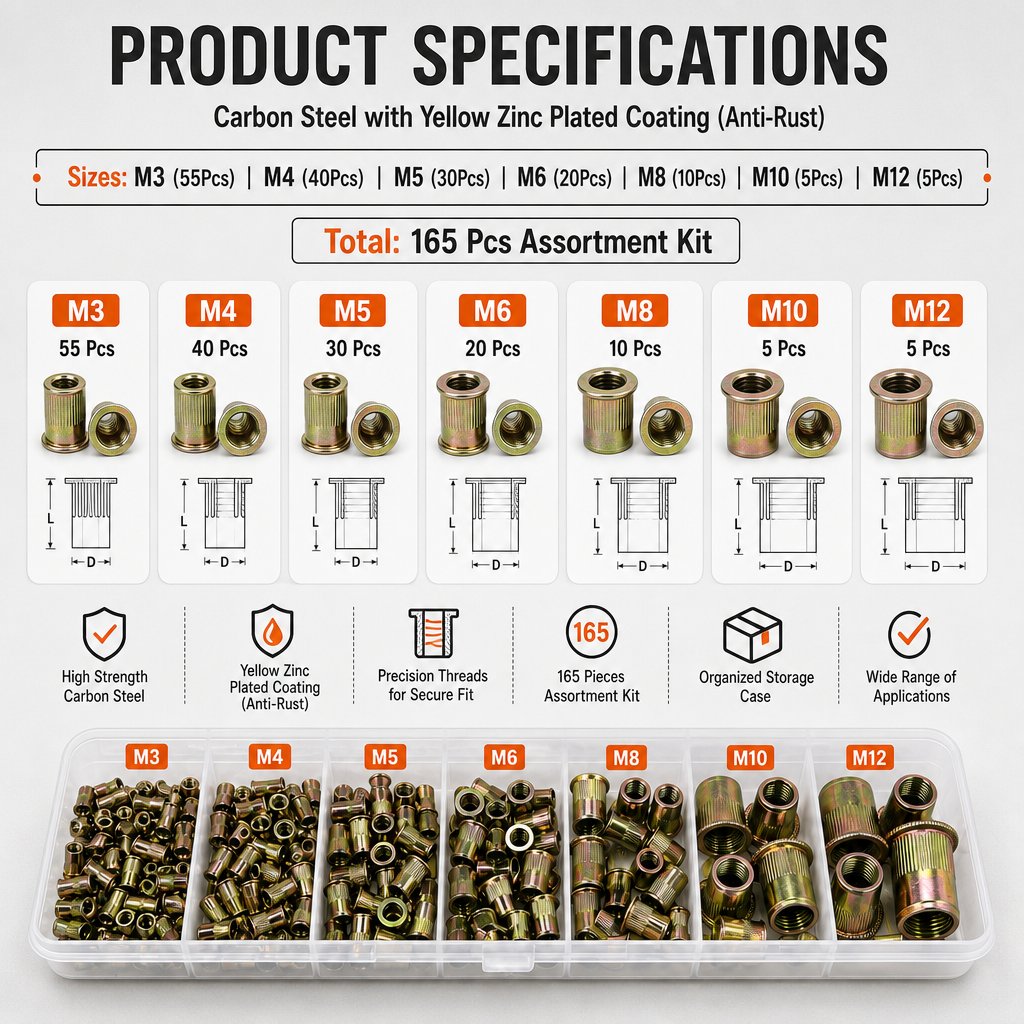
Screw assortment kits represent the third pillar of comprehensive fastener solutions. These organized multi-size packages simplify maintenance, repair, and installation processes across various industries. From electronics refurbishment to furniture assembly, these kits improve workflow efficiency while reducing inventory management complexity. The growing DIY repair movement has further increased demand for well-organized, application-specific screw collections.
The strategic advantage of working directly with a manufacturer lies in streamlined communication and technical expertise. Rather than navigating multiple intermediaries, buyers can collaborate with engineering teams to confirm dimensions, review materials, and address application-specific challenges. This direct connection minimizes misunderstandings during specification and packaging confirmation—a critical factor given 2026's heightened regulatory requirements.
When evaluating fastener solutions, buyers should consider their primary needs: immediate availability (ready stock), exact specifications (custom manufacturing), or multi-size organization (assortment kits). The most progressive manufacturers now offer hybrid solutions, combining elements of all three approaches to create tailored supply chain strategies.
For optimal results, procurement teams should provide clear specifications including screw type, size requirements, material preferences, application context, and packaging needs. This information enables manufacturers to recommend the most appropriate solution while addressing 2026's unique industry pressures—from sustainability requirements to evolving safety standards.
As supply chain resilience becomes increasingly critical, the ability to access comprehensive fastener solutions through a single trusted manufacturer offers significant competitive advantage. Whether supporting factory assembly lines, commercial refurbishment, or consumer repair initiatives, the right fastener strategy can enhance product reliability while optimizing costs in today's complex manufacturing environment.
Latest News
November 5, 2026
Direct Fastener Manufacturing: Strategic Solutions for 2026's Evolving Supply Chain Demands
November 4, 2026
Streamlining Supply Chains: How Direct Fastener Manufacturers Deliver Optimal Stock, Custom and Packaged Screw Solutions
November 3, 2026
Direct Fastener Solutions: Strategic Sourcing for OEM and Aftermarket Applications in 2026


