
_20241127142727A634.png)
 English
 中文
 한국어
 بالعربية
 Français
 Russian
 Español
 Portuguese
NEWS
Direct Fastener Solutions: Strategic Sourcing Options for Stock, Custom and Packaged Screw Supply in 2026
October 20, 2026
Provenance::
ZHIXIU
In today's rapidly evolving manufacturing landscape, selecting the right fastener solution has become a strategic business decision rather than a simple procurement task. The 2026 global fastener market faces unprecedented challenges: increasingly complex device architectures, geographically diverse supply chain requirements, and heightened regulatory compliance standards. Direct fastener manufacturers now play a crucial role in helping businesses navigate between OEM standard screws and aftermarket alternatives while balancing reliability, customization, and cost efficiency.
Working directly with a fastener manufacturer offers significant advantages over traditional multi-tier supply chains. Direct communication channels eliminate specification errors that often occur when technical requirements pass through multiple intermediaries. This streamlined approach proves particularly valuable when projects demand both immediate stock availability and custom engineering solutions. As automotive, electronics, and industrial sectors face tighter production schedules and quality expectations, the ability to discuss product details directly with manufacturing teams has become essential for reducing time-to-market and avoiding costly rework.
For urgent replenishment needs, ready stock screws provide a practical solution. These standard items—available in common specifications like M2.5, M3, and M4 sizes with zinc coating—can significantly shorten lead times for maintenance operations and production line continuity. When sourcing ready stock, buyers should provide detailed specifications including screw type, required size and length, quantity, material requirements, application purpose, destination country, and delivery timeline to ensure accurate matching with available inventory.
Custom screw manufacturing has gained prominence as product designs become increasingly specialized. Whether requiring unique thread patterns, specialized head styles, or specific material compositions, direct manufacturers can transform technical drawings or physical samples into precision-engineered components. This capability proves invaluable for applications demanding strict regulatory compliance, such as automotive safety components or medical device assemblies where even minor deviations can compromise performance and safety.
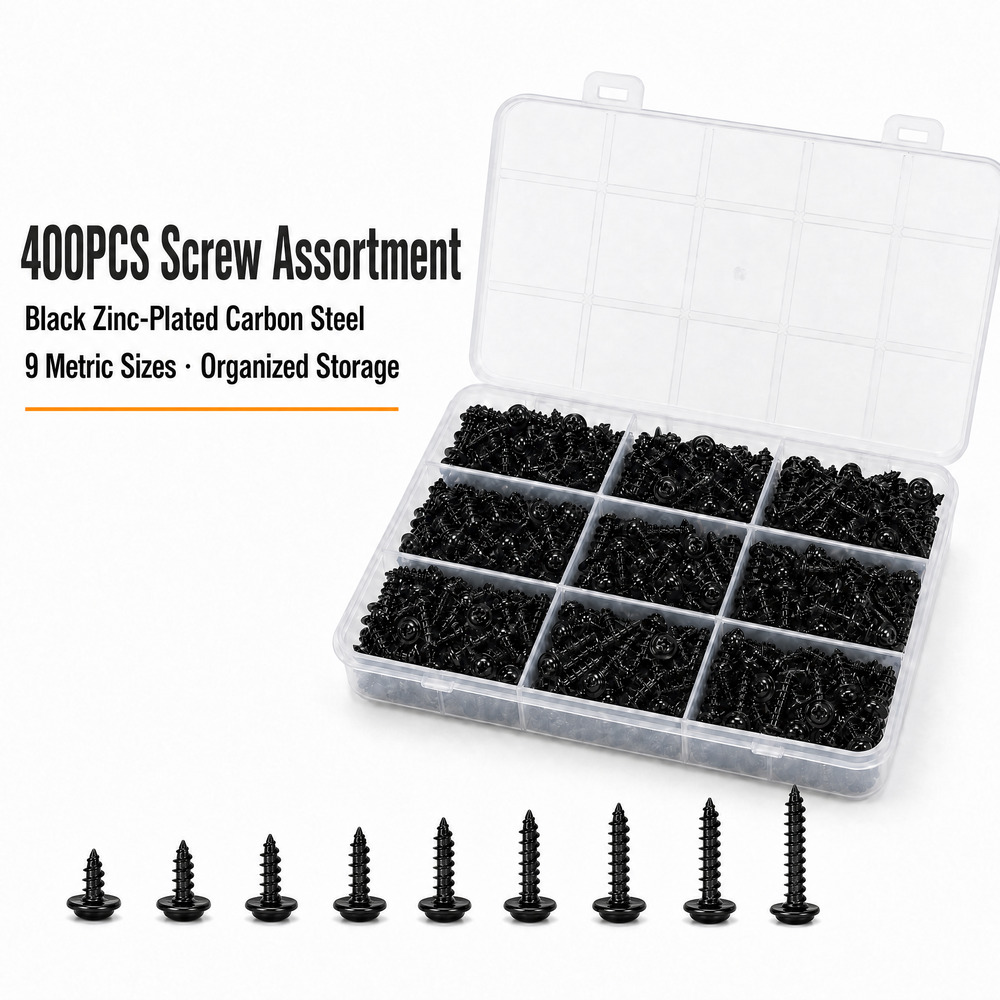
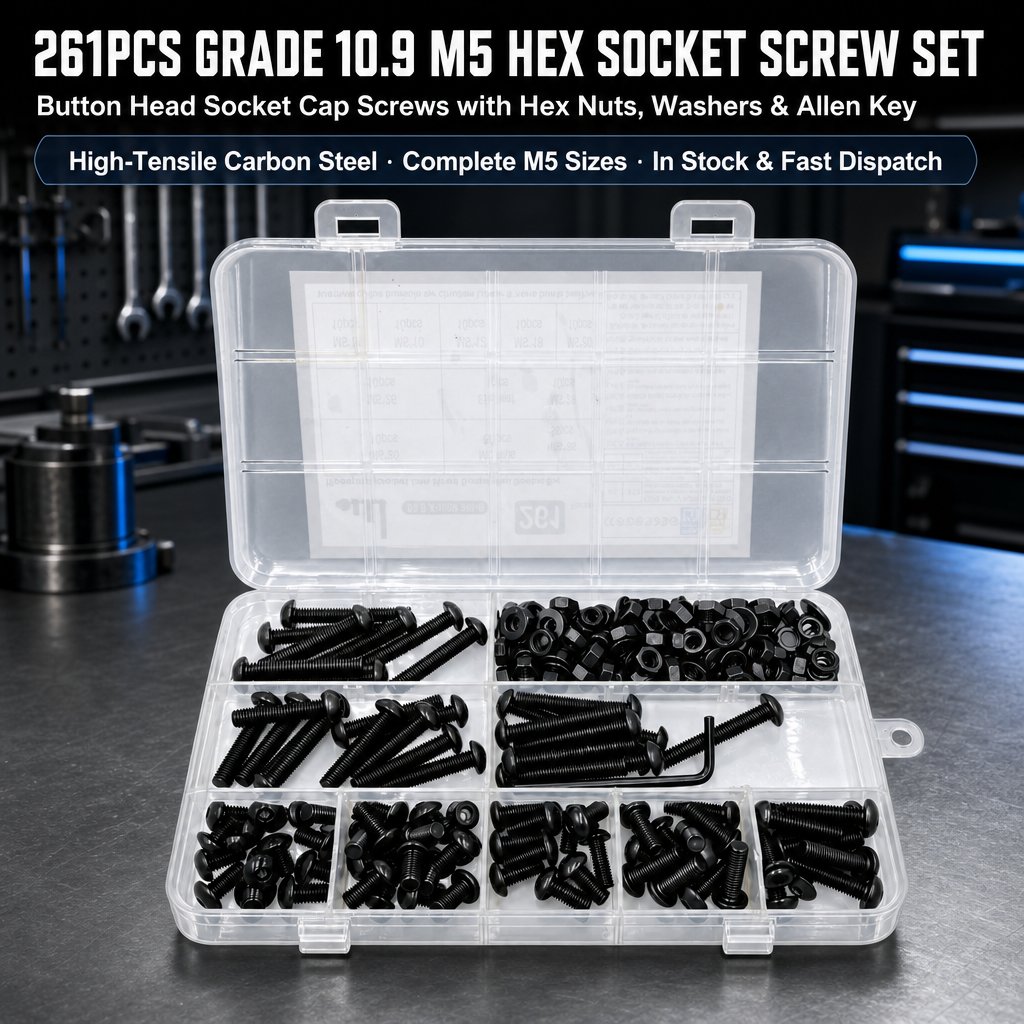
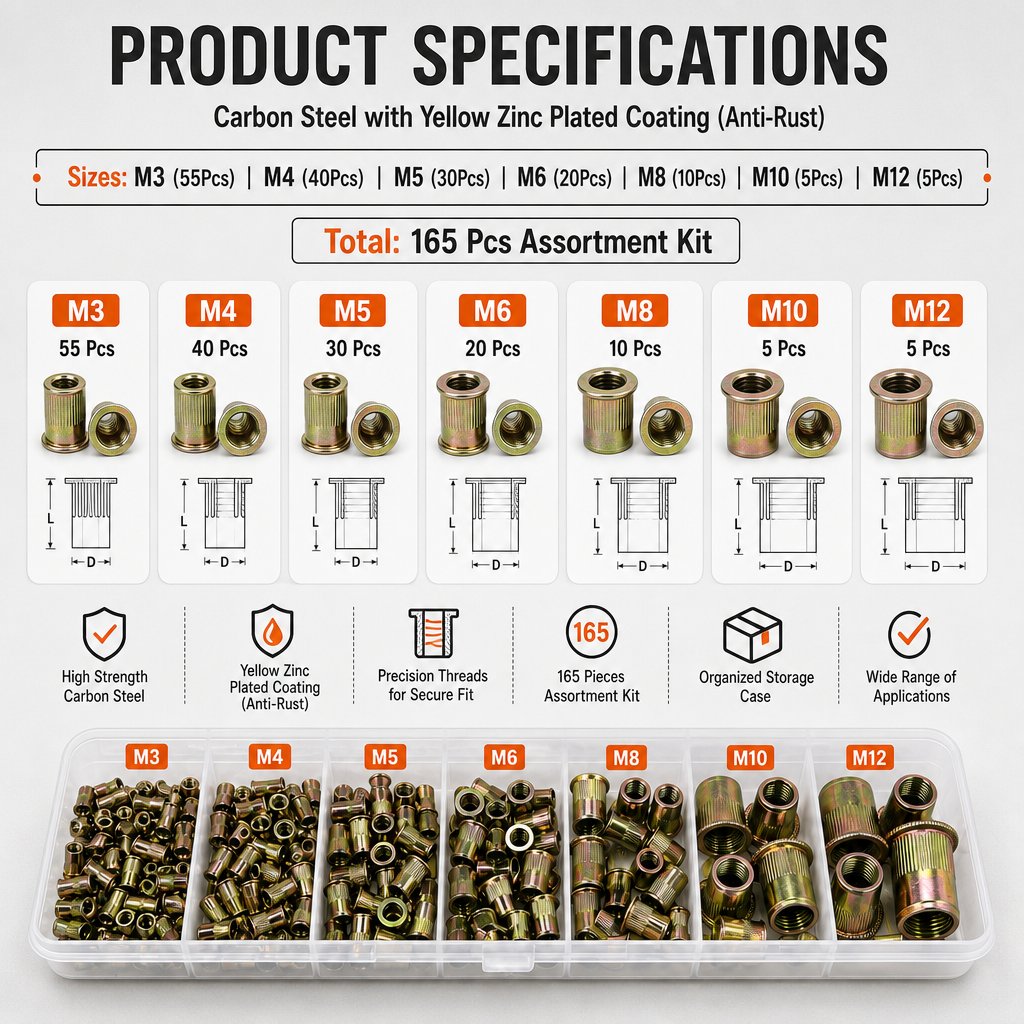
Screw assortment kits represent an innovative solution for organizations managing multiple projects or maintenance operations. These organized packages combine various screw sizes and types in customized configurations, improving inventory management and reducing installation errors. From electronics repair shops to furniture assembly operations, these kits enhance operational efficiency while maintaining consistent quality standards across multiple applications.
The strategic decision between OEM standard screws and aftermarket alternatives requires careful consideration. OEM standard screws guarantee precise fit, safety compliance, and warranty protection—critical factors for mission-critical applications. Conversely, aftermarket screws offer cost advantages and flexible sourcing options, though they carry potential risks including variable fit quality and inconsistent material properties that could impact product reliability.
When initiating a sourcing request, providing comprehensive information streamlines the process significantly. Essential details include product name or type, precise specifications, required quantity, material and finish requirements, intended application, packaging preferences, and delivery destination. This clarity enables manufacturers to recommend the optimal solution—whether leveraging existing stock, developing custom components, or creating specialized assortment kits.
As supply chain complexity increases in 2026, partnering with a direct fastener manufacturer provides businesses with the flexibility to address diverse requirements through a single, reliable source. This integrated approach not only simplifies procurement but also enhances quality control, reduces administrative overhead, and ultimately supports more resilient manufacturing operations in an increasingly demanding global marketplace.
Latest News
November 5, 2026
Direct Fastener Manufacturing: Strategic Solutions for 2026's Evolving Supply Chain Demands
November 4, 2026
Streamlining Supply Chains: How Direct Fastener Manufacturers Deliver Optimal Stock, Custom and Packaged Screw Solutions
November 3, 2026
Direct Fastener Solutions: Strategic Sourcing for OEM and Aftermarket Applications in 2026


